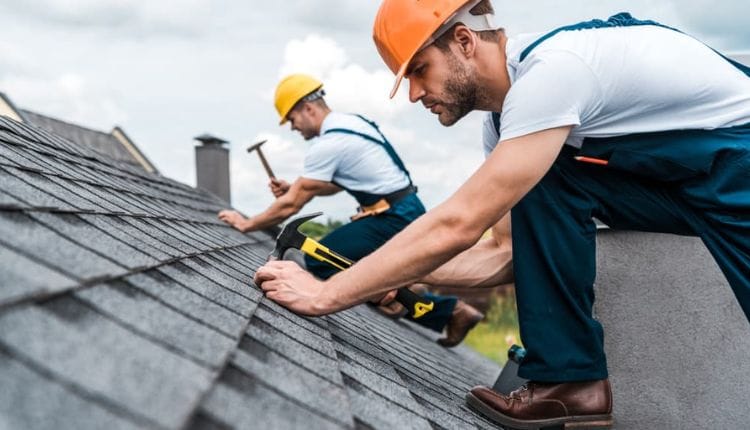

The cost of replacing the roof of your building is one of the greatest costs a facility management officer or the property owner will incur in their lifetime. Luckily, it’s not always necessary to remove the existing roof and install a new one. Commercial roof restoration provides a very affordable solution to repair the roof by preventing leaks, reducing the energy bill, and extending the lifespan of the roof of your building.
In order to get the best out of such a solution, it is important to identify the damage early enough. This can be achieved through proper inspections of your roof. It is important to note that a restoration coating will only work when the roof membrane underneath is healthy. For building owners experiencing harsh weather conditions, arranging an assessment of commercial roof restoration in Western Colorado becomes inevitable.
What Is Commercial Roof Restoration?
Commercial roof restoration is the practice of cleaning, repairing, and resurfacing an already existing and fully functional roof through the use of high-performance liquid coating. Imagine it as a protective shield that attaches itself to your already existing roof, filling any gaps and making sure that the entire roof is renewed and protected with a new warranty without tearing off.
Difference between Roof Restoration and Roof Replacement
Roof replacement can be considered a huge project, where the contractors will literally have to remove all existing elements of the roof, including the old membrane, boards of insulation, and flashing, until reaching the deck.
With restoration, only damaged areas of the roof will be repaired, cleaned with a power washer, and coated with a seamless elastomeric or silicone coating.
Commercial Roof Styles Suitable for Restoration
Many commercial roof types with low-slopes or flat roofs are able to accept coatings exceptionally well. Some of the typical ones include:
- Membrane Single-Ply Roofing: TPO, PVC, and EPDM rubber roofs.
- Asphalt-Type Roofs: Built-up roofing (BUR) and modified bitumen.
- Metal Roofs: Corrugated or standing seam metal roofs that have signs of rust or unsecured fasteners.
What Warning Signs Indicate Your Commercial Roof Needs Restoration?
The signs that mean that you need to consider commercial roof restoration include minor leaks, splitting seams, and loss of energy efficiency of your building while your roof structure is completely dry. Surface chalking, small punctures, and flashings coming off the walls and pipes are the signs that your roof membrane has finished its reliable life span.
- Persistent Roof Leakages
A single leakage can be easily fixed, while the appearance of several minor leakages is a sign of serious wear. If you manage to detect leaks before they get inside your insulation layer, then a fluid-applied coating will help to cover those points.
- Standing Water
If water stays on your flat roof for more than 48 hours, you are facing a serious issue. Standing water exerts continuous pressure on the roof and accelerates the UV destruction, which ultimately will tear your roof membranes apart.
- Damage to the Membrane
The repeated exposure of the single-layer membrane to the hot sun causes it to dry out and eventually crack. Extreme changes in temperature cause the roof to expand and contract, and create cracks in the brittle material.
- Blisters/ Bubble Formation
In case moisture gets caught between the various layers of your roof and gets heated by the sun, it will turn into vapor, causing bubbles/blisters to form, stretching the membrane and making it susceptible to damage from high winds.
- Flashing Damage
Flashing is the metal or membrane strip used to seal the openings around your roof edge, HVAC units, and vents. If the flashing becomes cracked, rusted, or detached, then the way is open for water to enter your building.
- Increasing Utility Costs
When you notice that your cooling bills are going up for no apparent reason, the source could be the roof. An older, dark roof tends to retain much heat, while if moisture has reduced the insulation’s ability to provide thermal resistance, your HVAC system will have to do double work.
- Mold or Moisture Issues
A musty odor or water stains on the ceiling interior suggest that moisture has managed to penetrate your roof system. With early detection, a restoration coating will stop the water from developing into mold.
Is Roof Restoration Better Than Roof Replacement?
Replacing the roof is generally a better option, since it will cost about half as much as replacement and won’t disrupt the business with noise, in addition to being completely tax deductible. But if the deck itself is rotten or if water damage has occurred to the insulation, replacement is unavoidable.
| Feature / Metric | Commercial Roof Restoration | Full Roof Replacement |
| Average Cost | Generally 50% to 70% cheaper than a brand-new roof | High upfront capital expense, plus tear-off and disposal fees |
| Business Disruption | Very low; quiet application, minimal crew foot traffic, low-odor formulas | High; loud tear-off noise, open roof risks, and safety zones |
| Tax Advantages | Usually classified as a maintenance repair for an immediate deduction | Capitalized asset that must be depreciated over many years |
| Environmental Impact | Highly sustainable; keeps tons of old roofing material out of the landfill | Generates massive amounts of heavy, non-recyclable construction waste |
| Lifespan | Adds 10 to 20 years of leak-free life (and can often be re-coated later) | Fully resets the clock for another 20 to 30+ years |
What Are the Benefits of Restoring a Commercial Roof Early?
Restoring your commercial roof early can prevent catastrophic water damage and instantly reduce cooling costs with a highly reflective surface. By taking proactive steps, you avoid municipal landfill surcharges, protect interior assets, maintain existing manufacturer warranties, and ensure zero operational downtime for your tenants.
- Significant Cost Savings
- Extended Lifespan
- Zero Downtime
- Lower Utility Bills
- Eco-Friendly Approach
- Renewed Warranties
Addressing these repairs early is crucial for a reliable system, especially with commercial roof restoration in Western Colorado, where intense freeze-thaw cycles can quickly turn small pockets of trapped moisture into large, destructive cracks.
How Do Roofing Professionals Evaluate a Commercial Roof?
An inspection of a commercial roof is done by roofing experts using techniques such as on-the-spot inspection, advanced moisture detection technology, and adhesion test. Inspection of a roof entails finding out the hidden damage in the roof, distinguishing the undamaged insulation from the damaged one, and ensuring the ability of the existing membrane to allow the application of the restoration system.
- When performing a visual inspection, the team walks across the whole roof to look out for any problems in the seams, wall joints, drains, and flashings for evidence of deterioration or separation.
- Moisture imaging is done using a thermal camera at night to detect the wet parts of insulation since there is moisture under the membrane.
- Core inspection involves the extraction of small cores to check the layers and determine whether there is hidden moisture in the roof.
- The slope and the overflow drains are inspected to check whether the water flows correctly to avoid pooling on the roof.
- The team inspects the roof by applying test patches of different coatings on the roof and using a pull gauge to find out the coating that offers strong adhesion.
Final Thoughts
Restoration is an excellent option for asset management when it comes to commercial roofs, but there must be a definite time frame for it. If the delay is too long, the possibility exists that water can destroy the insulation or the deck, which means an inevitable tear-off at high costs. Therefore, the best way out is to get professional inspections done as soon as possible.