
Understanding the Biological Process Behind Teeth Straightening
When patients embark on orthodontic treatment, they often focus on the aesthetic outcomes—straighter teeth and a more confident smile. However, beneath the surface, a fascinating biological process unfolds. Orthodontic appliances don’t simply push teeth into new positions through mechanical force alone; they trigger a carefully orchestrated inflammatory response that makes tooth movement possible. This natural bodily reaction is essential for successful treatment, yet it remains one of the lesser-known aspects of orthodontic care.
The relationship between orthodontics and inflammation is both complex and remarkable. Understanding how the body responds to orthodontic forces can help patients appreciate the science behind their treatment and explain some of the sensations they experience during the process. For those seeking professional care, consulting an orthodontist London can offer personalised insights into how their individual treatment will progress.
The Mechanics of Orthodontic Tooth Movement
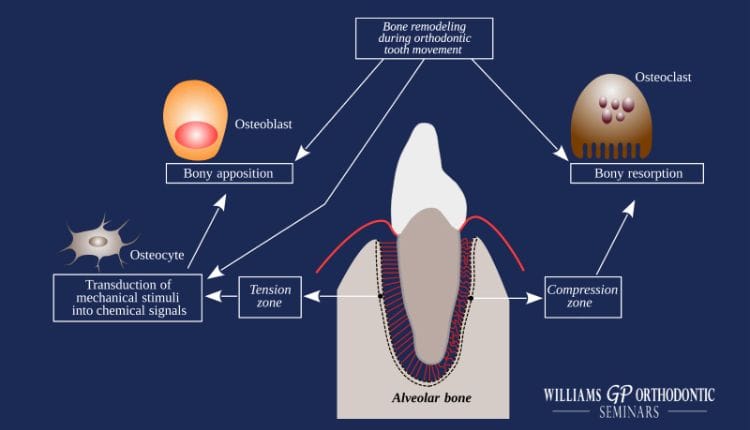
Orthodontic treatment works by applying controlled pressure to teeth, which initiates a biological cascade within the surrounding tissues. When braces, aligners, or other appliances exert force on a tooth, the periodontal ligament—the connective tissue anchoring the tooth to the bone—experiences compression on one side and tension on the other. This mechanical stress signals the body to remodel the bone structure, allowing the tooth to move gradually into its new position.
The Role of Inflammation in Tooth Repositioning
The body interprets orthodontic pressure as a form of controlled injury, prompting an inflammatory response. This inflammation is not pathological but rather a necessary healing mechanism. White blood cells, cytokines, and other inflammatory mediators rush to the affected area, initiating the bone remodelling process. Research on orthodontic inflammation in patients has shown that this response is carefully regulated and essential for successful tooth movement.
On the compression side of the tooth, cells called osteoclasts break down existing bone tissue, whilst on the tension side, osteoblasts build new bone. This continuous cycle of bone resorption and formation enables teeth to shift position whilst maintaining their structural support. The inflammatory response coordinates these opposing activities, ensuring that movement occurs safely and effectively.
Temporal Patterns of Inflammatory Response
The inflammatory response during orthodontic treatment follows a predictable timeline. Within hours of force application, inflammatory mediators begin accumulating in the periodontal tissues. This initial phase typically peaks within the first 24 to 48 hours, which explains why patients often experience the most discomfort during this period. The sensation gradually subsides as the body adapts to the applied forces and the acute inflammatory response transitions into a more sustained remodelling phase.
Studies examining immune responses during orthodontic procedures have revealed that individual variations in inflammatory responses can affect treatment outcomes. Factors such as age, overall health, and genetic predisposition influence how quickly and efficiently the body responds to orthodontic forces. This understanding has led to more personalised treatment approaches that account for these biological differences.
Managing Inflammation During Treatment
Whilst inflammation is necessary for tooth movement, excessive or prolonged inflammatory responses can cause discomfort and potentially slow treatment progress. Modern orthodontic techniques aim to optimise force levels to stimulate adequate bone remodelling without triggering unnecessarily intense inflammatory reactions. The connection between inflammation and orthodontic tooth movement continues to inform treatment protocols and force calibration strategies.
Patients can support their body’s natural inflammatory response through proper oral hygiene, adequate nutrition, and following their orthodontist’s recommendations. Maintaining clean appliances and healthy gums helps prevent additional inflammatory burden from bacterial accumulation, allowing the controlled treatment-related inflammation to proceed optimally.
The Broader Implications for Oral Health
Understanding the inflammatory aspects of orthodontic treatment highlights the sophisticated biological processes underlying what might appear to be simple mechanical tooth movement. This knowledge reassures patients that sensations during treatment reflect normal physiological responses rather than complications. For those considering orthodontic care, seeking expertise from an orthodontist ensures access to treatment approaches that respect and harness these natural biological mechanisms effectively.
The inflammatory response during orthodontic treatment represents a remarkable example of the body’s adaptive capabilities. By working with rather than against these natural processes, modern orthodontics achieves predictable, stable results that transform both smiles and understanding of oral biology.