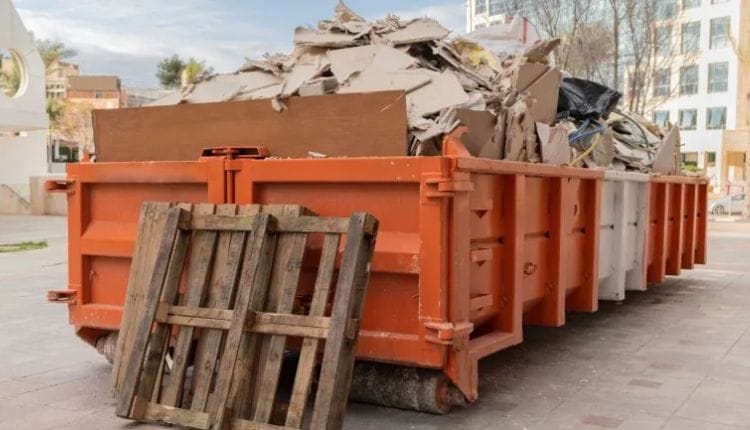

Large construction projects generate enormous amounts of debris throughout their lifecycle. From site preparation and demolition to framing, roofing, and finishing work, waste accumulates continuously as crews move from one phase to the next. On busy projects with multiple trades operating simultaneously, debris can quickly become a major obstacle if it is not managed properly.
For contractors, construction debris handling is far more than a cleanup responsibility. It is a critical operational function that affects productivity, safety, scheduling, and overall project efficiency. A well-planned debris management strategy helps maintain organized work areas, supports smooth project progression, and reduces costly delays caused by cluttered job sites.
Why Large Projects Generate So Much Debris
Large-scale construction projects involve substantial material movement and ongoing activity across multiple work zones. Every phase of construction produces waste, often at the same time.
Common debris sources include demolition materials, concrete, wood framing, drywall scraps, roofing materials, insulation, packaging, pallets, metal components, and general construction waste. As the number of workers and subcontractors increases, debris volume rises accordingly.
Because large projects often extend over several months or even years, contractors need systems that can handle continuous waste generation without disrupting operations.
Planning Debris Handling During Pre-Construction
The most successful projects begin planning debris management long before the first piece of equipment arrives onsite. During pre-construction, contractors should evaluate expected waste volume, identify disposal locations, estimate service requirements, and coordinate waste handling with the overall site logistics plan.
Planning early allows project managers to account for equipment access, material deliveries, staging areas, and future construction phases. It also helps establish expectations for subcontractors regarding cleanup responsibilities and disposal procedures.
A proactive approach prevents many of the waste-related issues that commonly slow large projects.
Creating a Centralized Waste Management System
Centralized waste collection is one of the most effective strategies for handling debris on large construction sites. Rather than allowing waste to accumulate throughout the project, contractors establish designated disposal areas where materials can be collected and removed efficiently.
Many contractors coordinate debris removal through Waste Removal USA to support organized waste handling on large-scale construction projects. Centralized systems help reduce clutter, improve coordination between trades, and make it easier to maintain clean work environments.
This approach also minimizes the amount of time workers spend transporting debris across the site.
Positioning Containers Strategically
Container placement has a direct impact on job site efficiency. Dumpsters positioned too far from active work zones increase labor demands and reduce productivity, while poorly located containers can interfere with equipment movement and deliveries.
Contractors often evaluate traffic patterns, work phases, and site access when determining where containers should be placed. As construction progresses, disposal locations may need to be adjusted to remain convenient for crews while maintaining clear access for service vehicles.
Proper placement helps keep debris moving off the site efficiently.
Coordinating Debris Handling Between Multiple Trades
Large construction projects often involve dozens of subcontractors working simultaneously. Concrete crews, steel contractors, framers, electricians, plumbers, HVAC installers, and finish trades may all be generating waste on the same day.
Without clear communication, debris management can quickly become inconsistent. Successful contractors establish site-wide cleanup standards and clearly define disposal responsibilities for every trade working onsite.
Consistent expectations help prevent waste from accumulating between phases and support smoother project coordination.
Managing Different Waste Streams
Construction debris is rarely uniform. Large projects often generate a combination of heavy materials, bulky waste, and lighter packaging debris throughout different stages of construction.
Some materials require special attention due to weight, volume, or handling requirements. Contractors should evaluate how different waste streams affect disposal capacity and adjust their management strategies accordingly.
Understanding the types of debris being generated helps maintain efficient disposal operations and prevents unexpected disruptions.
Keeping Work Areas Clear and Accessible
One of the primary goals of debris management is maintaining clear work zones. Cluttered construction areas slow production, reduce efficiency, and increase the likelihood of accidents.
Organized debris handling helps ensure that crews can access tools, materials, and equipment without unnecessary obstacles. It also supports smoother movement of deliveries and allows subcontractors to transition more easily between phases of work.
Clean work areas contribute directly to project productivity.
Coordinating Waste Removal with Equipment Operations
Heavy equipment is a constant presence on most large construction sites. Excavators, loaders, forklifts, cranes, and other machinery require adequate space to operate safely and efficiently.
Debris should never be allowed to obstruct equipment routes or staging areas. Contractors who coordinate waste handling with equipment operations help maintain smoother workflow and reduce delays caused by congestion.
Efficient site logistics depend on keeping debris under control throughout the project.
Maintaining Safety Through Effective Debris Control
Construction debris creates numerous safety risks when it is not managed properly. Loose materials, blocked pathways, and overcrowded work zones can increase the likelihood of trips, falls, and equipment-related incidents.
Consistent debris removal supports:
- Clear access routes throughout the site
- Better visibility around active work zones
- Reduced tripping hazards
- Safer equipment movement and operation
Maintaining a clean site is one of the simplest ways to improve overall safety performance.
Scheduling Consistent Pickup and Removal Services
Large projects require regular waste removal to prevent containers from reaching capacity and disrupting operations. Contractors should monitor debris levels closely and schedule pickups based on actual project activity rather than waiting until disposal areas become overloaded.
During high-production phases, more frequent service may be necessary to keep pace with debris generation. Consistent removal helps maintain project momentum and reduces the likelihood of cleanup-related delays.
Reliable service is a key component of successful debris management.
Adapting to Changing Project Conditions
Construction projects evolve constantly. New work areas open, schedules shift, and unexpected conditions can alter debris volume significantly.
Contractors should remain flexible and adjust disposal strategies as project demands change. This may involve relocating containers, increasing removal frequency, or expanding disposal capacity during particularly active phases.
Adaptability helps ensure waste management continues supporting productivity throughout the life of the project.
Improving Productivity Through Better Organization
Workers are most productive when they can focus on construction tasks rather than navigating cluttered workspaces or relocating debris. Effective waste management reduces unnecessary labor, improves site organization, and supports smoother transitions between construction phases.
Contractors who prioritize debris handling often experience fewer delays and stronger overall project performance. Better organization benefits every trade working onsite and contributes to more predictable scheduling.
These efficiency gains can have a significant impact on project outcomes.
Maintaining a Professional Job Site
Owners, developers, inspectors, and project stakeholders often view site organization as a reflection of overall project management. Clean, organized construction sites create confidence and demonstrate attention to detail.
Consistent debris handling helps maintain a professional appearance while making inspections, progress reviews, and client visits easier to manage. A well-maintained site reflects positively on the contractor and the entire project team.
Professional presentation remains important throughout all phases of construction.
Construction debris handling is a vital part of managing large projects successfully. By planning waste management early, creating centralized disposal systems, coordinating cleanup between trades, and maintaining regular removal schedules, contractors can keep job sites organized and productive.
When debris is handled efficiently, work areas remain safer, productivity improves, and projects stay on schedule. For contractors overseeing large-scale construction, effective debris management is an essential component of successful project execution.