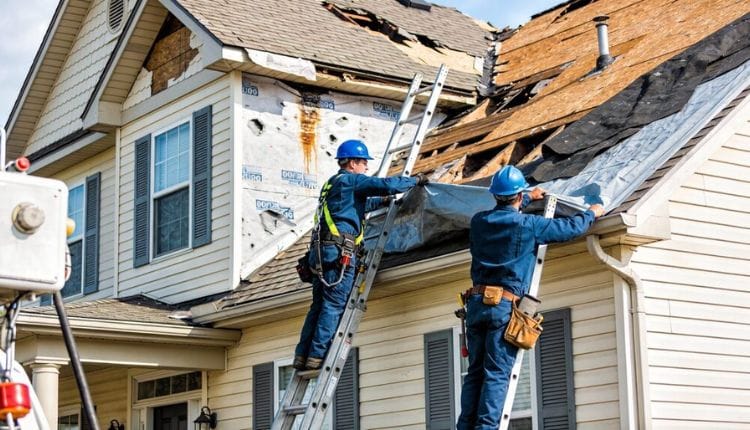

Severe weather can take a serious toll on residential and commercial roofing systems. Strong winds, heavy rain, hail, and falling debris can weaken roofing materials and create damage that may not always be visible from the ground. While some storm damage is immediately noticeable, such as missing shingles or fallen branches, other problems can develop slowly and lead to expensive repairs if left untreated.
A roof is designed to protect your property from the elements, but even the strongest materials have limits. After a major storm, scheduling a professional inspection is one of the best ways to identify issues early and prevent further damage. Understanding how storms affect roofs and knowing when to request repairs can help homeowners protect their investment and maintain a safe, durable home.
With the unique weather patterns experienced across different regions, homeowners investing in roofing in Arkansas and Utah need reliable solutions that can withstand changing conditions throughout the year.
Common Types of Storm Damage to Roofs
Storms can affect roofing systems in several ways depending on the severity of the weather event. Wind, rain, hail, and debris each create different types of damage that require careful evaluation.
Wind Damage
High winds are one of the most common causes of roof damage. Strong gusts can lift, loosen, or completely remove shingles from the roof surface. Once shingles are missing or damaged, the protective barrier of the roof is compromised.
Wind damage may include:
- Missing shingles
- Lifted or curled shingles
- Damaged flashing
- Loose gutters
- Exposed roofing materials
Even a small area of wind damage can allow water to enter your home during future storms, making timely repairs important.
Hail Damage
Hailstorms can cause significant roof damage, especially when hailstones are large or storms are intense. Hail impacts can weaken shingles by creating cracks, dents, or small punctures that may not be immediately visible.
Common signs of hail damage include:
- Dark spots or bruising on shingles
- Loss of protective granules
- Cracked roofing materials
- Damaged vents and metal components
- Dented gutters or flashing
Because hail damage is sometimes difficult to detect, a professional inspection can help determine whether repairs are needed.
Heavy Rain and Water Damage
While roofs are designed to handle rain, storm-related damage can create openings where water can enter your home. Damaged shingles, clogged gutters, broken flashing, or deteriorated seals can allow moisture to penetrate the roofing system.
Water intrusion can lead to:
- Ceiling stains
- Mold growth
- Damaged insulation
- Rotting wood
- Structural issues
Addressing leaks quickly helps prevent minor water problems from becoming major repairs.
Falling Branches and Debris
During severe storms, trees and branches can fall onto roofs, causing immediate physical damage. Even smaller debris can create problems if it damages shingles, blocks drainage systems, or impacts roof components.
After a storm, homeowners should visually inspect their property for fallen branches or obvious damage. However, climbing onto the roof is not recommended, as hidden damage and slippery surfaces can create safety risks.
Signs Your Roof May Need Storm Repairs
Some storm damage is easy to spot, while other issues require a closer inspection. Homeowners should look for warning signs after severe weather, including:
- Missing or damaged shingles
- Water leaks inside the home
- Sagging areas on the roof
- Granules collecting in gutters
- Damaged flashing
- Increased attic moisture
- Unusual drafts or temperature changes
If any of these issues appear after a storm, contacting a roofing professional can help prevent additional damage.
When Should You Schedule a Roof Inspection?
The best time to schedule a roof inspection is shortly after a severe storm. Waiting too long can allow existing damage to worsen, especially if another storm occurs before repairs are completed.
A professional inspection is recommended after:
- Strong wind events
- Hailstorms
- Severe thunderstorms
- Heavy snowfall
- Falling tree impacts
- Visible roof damage
Roofing experts can identify both visible and hidden problems, document damage, and recommend the appropriate repair solutions.
Why Prompt Repairs Matter
Delaying storm damage repairs can create larger problems over time. A small leak can spread through roofing materials, insulation, and interior structures. What starts as a simple repair may eventually require extensive restoration or even a complete roof replacement.
Prompt repairs help:
- Prevent water damage
- Protect your home’s structure
- Maintain energy efficiency
- Extend roof lifespan
- Avoid more expensive future repairs
Taking action quickly after a storm is a practical way to protect your property.
Professional Storm Damage Roof Repair Process
When you schedule a professional roof inspection, contractors typically begin by evaluating the entire roofing system. They check shingles, flashing, vents, gutters, and other components for signs of damage.
If repairs are needed, the process may include:
- Replacing missing shingles
- Repairing damaged flashing
- Sealing leaks
- Replacing damaged roofing sections
- Restoring affected areas
Professional repairs ensure the roofing system continues providing proper protection against future weather conditions.
Preparing Your Roof for Future Storms
Regular maintenance can reduce the impact of future storms and help your roof perform better over time. Homeowners can protect their roofs by:
- Scheduling routine inspections
- Cleaning gutters regularly
- Removing nearby tree branches
- Addressing minor repairs quickly
- Checking attic ventilation
- Maintaining proper drainage
A well-maintained roof is better prepared to handle severe weather and changing seasons.
The Importance of Local Roofing Expertise
Weather conditions can vary significantly between regions, making local knowledge an important factor when choosing a roofing professional. Contractors familiar with roofing in Arkansas and Utah understand the challenges caused by regional storms, temperature changes, and seasonal weather patterns.
Local roofing experts can recommend appropriate materials, repair methods, and maintenance plans designed to provide long-term protection for homes and businesses.
Conclusion
Storm damage can weaken your roof and create problems that extend beyond the exterior of your home. Wind, hail, heavy rain, and falling debris can all affect roofing materials and increase the risk of leaks and structural damage.
Scheduling a professional inspection after severe weather helps identify problems early and ensures repairs are completed before they become more serious. With regular maintenance and timely repairs, homeowners can keep their roofs strong, efficient, and ready to handle future storms.