
Basements are one of the most important parts of a home, but they are also one of the most vulnerable. Because they sit below ground level, they are constantly exposed to moisture, groundwater pressure, and humidity changes. When water enters a basement, it can lead to mold growth, structural damage, and reduced indoor air quality.
Understanding waterproofing is essential for homeowners who want to protect their property and avoid long-term issues. Even small leaks or damp spots can turn into bigger problems if they are ignored. Learning how water enters a basement and how to stop it is the first step toward a safer, healthier home.
Many homeowners begin searching for solutions after noticing early warning signs like damp walls or musty odors. In fact, many people researching basement waterproofing Chattanooga services are often surprised by how many prevention and repair options are available.
Best Waterproofing Methods
Interior Waterproofing Systems
Interior solutions focus on managing water once it enters the space. These systems often include drainage channels installed along the basement perimeter, sump pumps that actively remove collected water, and vapor barriers that help reduce moisture buildup along walls and floors.
Exterior Waterproofing Systems
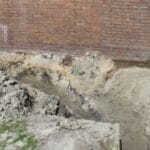
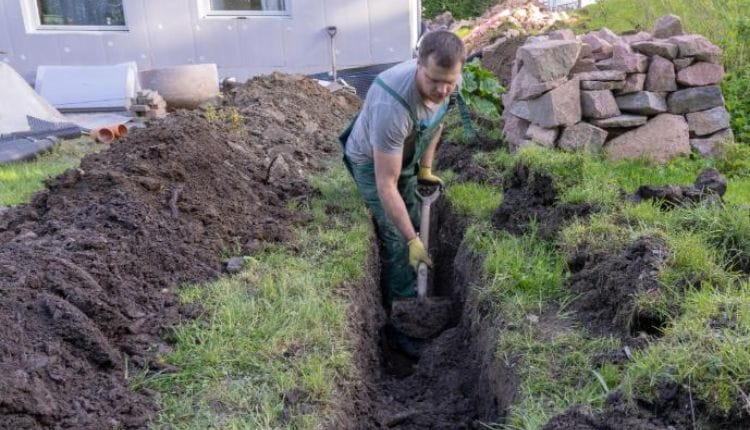
Exterior waterproofing takes a more preventative approach by stopping water before it reaches the foundation. This process usually involves excavating around the home, applying waterproof coatings or membranes to the foundation walls, and installing exterior drainage systems to redirect water away from the structure.
Sealants and Coatings
Sealants and coatings provide an added layer of protection for minor issues. Hydraulic cement works well for sealing small cracks, while waterproof paint can help protect surfaces from moisture. Although these solutions are useful, they are not complete fixes on their own and work best when combined with a broader waterproofing system.
Which Method Works Best?
Choosing the right waterproofing method depends on the severity of the issue and how your home is built. Exterior waterproofing tends to offer a more permanent solution because it prevents water from reaching the foundation. Interior systems, on the other hand, are more affordable and easier to install, making them a practical option for managing existing moisture. In many cases, the most effective approach combines both methods, creating a layered defense that handles water from the outside while controlling any that makes its way in.
Common Waterproofing Mistakes
Mistake 1: Only Addressing Surface Issues
One of the most common mistakes is treating visible symptoms instead of the actual problem. Simply painting over leaks or damp spots might improve appearance for a short time, but it does nothing to stop water from entering. Without addressing the source, the issue will return and often become worse.
Mistake 2: Ignoring Drainage Problems
Many basement water issues begin outside the home. Poor gutter systems, clogged downspouts, or improper grading can direct water toward the foundation. Ignoring these factors allows moisture to build up around the structure, increasing the chances of intrusion.
Mistake 3: Using Temporary Sealants Alone
Quick fixes like waterproof paint or basic sealants can help with minor moisture concerns, but they are not designed to stop active leaks or long-term pressure from groundwater. Relying on these products alone often leads to repeated problems and added repair costs later.
Mistake 4: Skipping Professional Inspection
Some waterproofing issues are not visible on the surface. Structural concerns, hidden cracks, or underlying drainage failures can go unnoticed without a proper inspection. Skipping this step increases the risk of incomplete repairs and ongoing damage.
Avoiding these mistakes plays a major role in achieving effective basement waterproofing and protecting your home for the long haul.
DIY vs Professional Waterproofing
Can You Do It Yourself?
In some cases, homeowners can handle small waterproofing tasks on their own. Minor cracks can be sealed using appropriate materials, and dehumidifiers can help reduce moisture levels inside the basement. However, these solutions typically manage symptoms rather than solve the root cause, so they are best suited for early or less severe issues.
Limitations of DIY Solutions
- Often temporary fixes
- Hard to address drainage and foundation issues properly
When to Call a Professional
- Persistent leaks or flooding
- Visible foundation cracks
- Mold or musty odors throughout the home
Proper waterproofing often requires a combination of tools, expertise, and long-term planning.
How Long Does Basement Waterproofing Last
Interior Systems
Interior waterproofing systems can last anywhere from a decade to two decades when properly maintained. Their lifespan depends on factors such as installation quality, usage, and how well moisture levels are managed over time.
Exterior Systems
Exterior solutions are built for long-term performance and often last for decades when installed correctly. Because they stop water before it reaches the foundation, they tend to experience less wear compared to interior systems.
Preventing Basement Moisture Problems
Improving Drainage Around the Home
Managing water outside your home is one of the most effective ways to prevent basement issues. Proper grading should direct water away from the foundation, while extended downspouts carry runoff further from the structure, reducing the risk of pooling.
Controlling Indoor Humidity
Moisture inside the home can be just as problematic as water from outside. Using dehumidifiers during damp seasons helps maintain balanced humidity levels, and improving ventilation allows moisture to escape rather than settle into walls and floors.
Conclusion
Basement moisture problems can start small but quickly grow into serious issues if ignored. By understanding the causes, methods, and mistakes to avoid, homeowners can make smarter decisions and protect their investment.
Effective waterproofing is not just about stopping leaks—it’s about building a long-term defense against water damage, mold, and structural decline. With the right approach, you can maintain a dry, healthy, and safe home for years to come. For trusted solutions and expert support, Chattanooga Basement Waterproofing & Repair is committed to helping homeowners protect their properties with reliable basement waterproofing services.