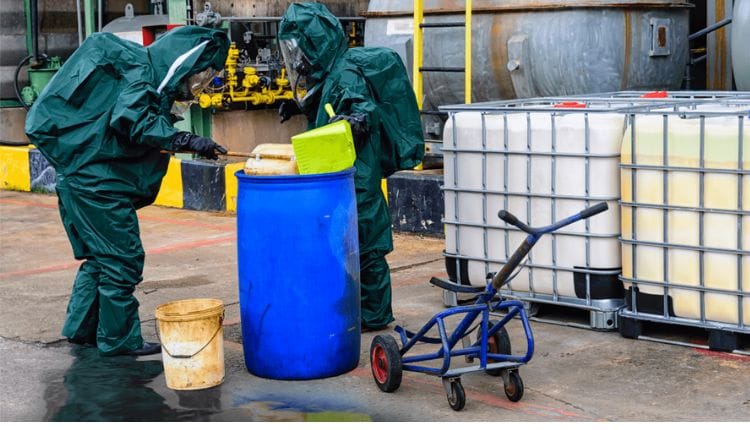

Chemical spills can create serious risks for businesses, employees, customers, and the surrounding environment. Whether caused by transportation accidents, equipment failures, improper storage, or workplace incidents, hazardous material releases require immediate attention and careful handling. Without proper response procedures, chemicals can spread quickly, causing property damage, health hazards, and environmental concerns.
Professional response teams are trained to manage these dangerous situations using specialized equipment, safety protocols, and proven cleanup methods. Their expertise helps minimize risks while ensuring hazardous materials are contained, removed, and properly disposed of according to safety regulations.
Assessing the Situation Before Taking Action
The first step in responding to a chemical spill is evaluating the situation. Before beginning cleanup, trained professionals assess the type of chemical involved, the size of the spill, the affected area, and potential risks to people nearby.
Response teams identify important details such as:
- The chemical’s properties and hazard
- Whether the material is flammable, toxic, or corrosive
- The level of exposure risk
- The direction of potential spread
- Necessary safety precautions
This assessment allows the team to create an appropriate response plan while avoiding unnecessary exposure.
Establishing a Safe Perimeter
Safety is the highest priority during any hazardous material incident. Once the situation has been evaluated, response teams establish a controlled area around the spill location.
Creating a safety perimeter helps prevent unauthorized access and reduces the chance of additional exposure. Employees, visitors, and other individuals are kept away from the affected area until the spill has been safely managed.
Depending on the severity of the incident, evacuation procedures or additional safety measures may be necessary.
Using Proper Personal Protective Equipment
Handling hazardous materials requires specialized protective gear. Response teams use personal protective equipment (PPE) designed to protect them from chemical exposure during cleanup.
Depending on the material involved, PPE may include:
- Chemical-resistant gloves
- Protective suits
- Respiratory protection
- Eye protection
- Specialized footwear
The type of equipment used depends on the chemical’s characteristics and the level of risk present.
Proper PPE helps prevent skin contact, inhalation, and other forms of exposure while allowing technicians to safely perform cleanup procedures.
Containing the Spill
Containment is one of the most important parts of the response process. Before removing hazardous materials, teams work to prevent the chemical from spreading further.
Containment methods may include using absorbent materials, barriers, temporary dams, or specialized equipment designed for hazardous substances.
Stopping the spread protects nearby areas, reduces environmental impact, and makes cleanup more manageable.
A controlled containment approach is especially important when dealing with large spills or chemicals that can react with other materials.
Removing Hazardous Materials Safely
After containment, response teams begin the removal process using approved techniques and equipment.
Different chemicals require different handling methods. Some materials may be absorbed, collected, neutralized, or transferred into specialized containers for safe transportation and disposal.
Professionals carefully follow established procedures to avoid creating additional hazards during removal.
Improper handling of hazardous materials can increase risks, which is why trained specialists are essential during these situations.
Proper Disposal Procedures
Removing chemicals from the affected area is only part of the cleanup process. Hazardous materials must also be transported and disposed of properly.
Response teams follow environmental and safety regulations when handling contaminated materials. Disposal methods depend on the type of chemical and its classification.
Proper disposal prevents harmful substances from entering soil, water systems, or other environments.
Professional cleanup teams understand the documentation, transportation requirements, and disposal procedures necessary for safe chemical management.
Decontaminating the Affected Area
After hazardous materials have been removed, the affected area must be thoroughly cleaned and decontaminated.
Chemical residues may remain on surfaces, equipment, floors, or other materials even after visible contamination has been removed.
Response teams use appropriate cleaning agents and techniques based on the specific chemical involved. This step helps restore the area to a safe condition and reduces the risk of future exposure.
Testing and verification may also be performed to confirm that contamination levels have been properly addressed.
Protecting Employees and Preventing Future Incidents
A professional response does more than clean up the immediate problem. Teams often provide guidance to help businesses prevent future incidents.
This may include reviewing storage practices, evaluating safety procedures, identifying potential hazards, and recommending improvements.
Proper employee training, labeling systems, emergency plans, and regular equipment inspections all play important roles in reducing the likelihood of future spills.
Why Professional Response Matters
A chemical Spill can involve unknown risks, dangerous reactions, and potential exposure hazards. Attempting to handle hazardous materials without proper training or equipment can put individuals at serious risk.
Professional response teams have the experience, tools, and safety knowledge needed to manage complex situations effectively. Their ability to quickly assess hazards, contain contamination, and complete cleanup safely helps protect people and property.
Businesses benefit from working with trained professionals who understand the importance of following strict safety procedures throughout the entire response process.
The Importance of Quick Action
Time is a critical factor during any hazardous material incident. The longer a chemical remains uncontrolled, the greater the chance of exposure, property damage, and environmental impact.
Rapid professional response helps limit the spread of contamination and reduces the complexity of cleanup efforts.
Having an emergency plan and knowing who to contact before an incident occurs allows businesses to respond more efficiently when a spill happens.
Conclusion
Chemical spills require careful planning, specialized equipment, and professional expertise to manage safely. Response teams follow a detailed process that includes assessment, containment, protective equipment use, removal, disposal, and decontamination to reduce risks and restore affected areas.
A chemical Spill should never be handled without proper knowledge and safety precautions. By relying on trained professionals, businesses can protect their employees, comply with safety requirements, and minimize the impact of hazardous material incidents. Investing in proper response procedures and prevention strategies creates a safer environment while reducing the potential consequences of chemical-related emergencies.