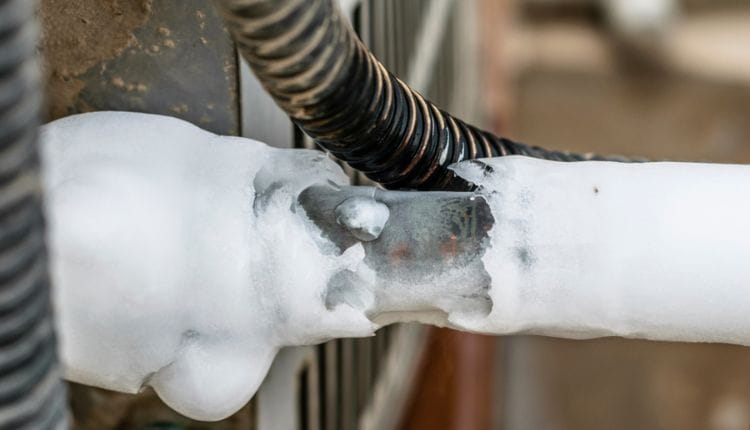

A frozen air conditioner may seem surprising, especially during the hottest days of the year. Many homeowners assume that if ice is forming on the unit, it must be cooling exceptionally well. In reality, ice buildup is a sign that something is preventing the system from operating properly. Left untreated, a frozen air conditioner can reduce cooling performance, increase energy bills, and even cause costly damage to important components.
Understanding why your air conditioner freezes up can help you recognize problems early and prevent expensive repairs. While some simple maintenance tasks can reduce the risk of freezing, many underlying issues require the expertise of an air conditioning repair company to diagnose and resolve safely.
Restricted Airflow
Poor airflow is one of the leading causes of a frozen air conditioner. Your system relies on a steady flow of warm indoor air passing over the evaporator coil. When airflow is restricted, the coil becomes too cold, allowing moisture in the air to freeze into ice.
Several factors can reduce airflow, including:
- Dirty or clogged air filters
- Blocked supply or return vents
- Closed interior vents
- Dirty evaporator coils
- Damaged or obstructed ductwork
- A malfunctioning blower motor
Replacing air filters regularly and keeping vents open can improve airflow, but if the problem continues, a professional inspection is necessary to identify the root cause.
Low Refrigerant Levels
Refrigerant plays a vital role in absorbing heat from your home’s indoor air. If refrigerant levels become too low due to a leak, the pressure inside the system drops. This causes the evaporator coil to become much colder than normal, allowing condensation to freeze.
Signs of low refrigerant often include:
- Warm air coming from vents
- Ice on refrigerant lines
- Longer cooling cycles
- Higher utility bills
- Hissing or bubbling sounds near the unit
Refrigerant does not get “used up” during normal operation. Low levels almost always indicate a leak that must be repaired before the refrigerant is recharged.
Dirty Evaporator Coils
Even if airflow is adequate, dirt and dust can accumulate on the evaporator coils over time. This buildup acts as insulation, reducing the coil’s ability to absorb heat efficiently.
As the coil temperature continues to drop, moisture begins freezing on its surface. Once ice starts forming, it restricts airflow even further, causing the freezing problem to become progressively worse.
Professional cleaning removes stubborn debris without damaging delicate coil fins, restoring efficient heat transfer throughout the system.
Blocked or Closed Air Vents
Many homeowners unknowingly contribute to airflow problems by closing vents in unused rooms. While this may seem like an effective way to save energy, it can actually upset the balance of airflow throughout the HVAC system.
When too many vents are closed, less warm air reaches the evaporator coil. As a result, the coil temperature drops below freezing, leading to ice formation.
Keeping supply and return vents open allows the system to circulate air properly and maintain consistent temperatures throughout the home.
Faulty Blower Fan
The blower fan is responsible for moving indoor air across the evaporator coil. If the blower motor begins failing or the fan is damaged, insufficient air reaches the coil.
A faulty blower may cause:
- Weak airflow from vents
- Uneven cooling
- Ice buildup
- Higher operating costs
- Frequent cycling
HVAC technicians inspect the blower assembly, motor, belts, and electrical components to determine whether repairs or replacement are necessary.
Thermostat Issues
A malfunctioning thermostat can also contribute to frozen coils. If the thermostat causes the air conditioner to run continuously without cycling off, the evaporator coil may become excessively cold over time.
Incorrect temperature readings, faulty sensors, or wiring issues can all interfere with normal operation.
Professionals test thermostat performance and recalibrate or replace the unit if necessary to restore proper temperature control.
Outdoor Temperature Is Too Low
Although air conditioners are designed for warm weather, some homeowners continue operating them during cool evenings or mild seasons. When outdoor temperatures fall too low, the refrigerant pressure inside the system can decrease enough to allow ice to form.
Most residential air conditioners are not designed to operate efficiently when outdoor temperatures are significantly below typical summer conditions.
If cooling is needed during cooler weather, consult an HVAC professional about solutions designed for year-round operation.
Drainage Problems
Your air conditioner removes moisture from indoor air, sending condensation through a drain line. If drainage problems occur, excess moisture may accumulate around the evaporator coil, increasing the likelihood of ice formation.
Routine maintenance helps ensure that drain lines remain clean and water flows away from the system properly.
What To Do If Your Air Conditioner Freezes
If you notice ice on your air conditioner, avoid continuing to operate it. Running the system while frozen can damage the compressor and other expensive components.
Instead, you should:
- Turn off the cooling mode.
- Allow the ice to melt completely.
- Replace the air filter if it is dirty.
- Check that all vents are open.
- Remove debris around the outdoor unit.
- Schedule a professional inspection.
Avoid attempting to chip away the ice, as this can damage delicate evaporator coils.
Why Professional Repairs Matter
While replacing an air filter is a simple maintenance task, many freezing problems involve refrigerant systems, electrical components, airflow diagnostics, or mechanical failures that require specialized equipment and training.
An experienced air conditioning repair company can perform a complete inspection to identify the underlying cause rather than simply treating the symptoms. Technicians check refrigerant levels, inspect coils, test electrical components, evaluate airflow, and ensure every part of the system is functioning correctly.
Professional repairs help restore efficiency, prevent recurring freeze-ups, and extend the overall lifespan of your air conditioning system.
Conclusion
A frozen air conditioner is never a normal part of operation. Restricted airflow, low refrigerant, dirty coils, faulty blower motors, thermostat problems, and drainage issues are among the most common causes. Ignoring ice buildup can lead to reduced cooling performance, increased utility costs, and expensive repairs if left unresolved.
Routine maintenance, timely inspections, and prompt repairs are the best ways to keep your cooling system operating efficiently throughout the season. By addressing problems early and relying on qualified HVAC professionals when needed, homeowners can enjoy dependable comfort, improved energy efficiency, and a longer-lasting air conditioning system.