
ood to try, and constant pressure to do more. But taking care of yourself shouldn’t feel like a full-time job. Wellness is supposed to fit into your life—not take over it.
Many people are starting to realize that doing everything at once isn’t the key to feeling balanced. Instead, the goal is to find a sustainable way to support your health that feels realistic. That’s what sustainable wellness is all about—simple, steady choices that help you feel supported without burning out. It’s about building balance that lasts through real life, not perfection that fades after a week.
Finding Balance in Everyday Wellness
Sustainable wellness begins with balance. It’s not about cutting out everything you enjoy or following strict plans. It’s about making choices that support your body and mind over time. Eating balanced meals, staying hydrated, moving often, and getting enough rest are the basics that never lose value.
Small actions add up. Drinking enough water, preparing simple meals with fruits, vegetables, and whole grains, and taking short breaks during your day all help maintain your energy. These things don’t require major effort, but they make a difference when you stay consistent.
Some people also include wellness products as part of their daily lifestyle. USANA Health Sciences, for example, offers supplements, protein shakes, energy drinks, and snack bars that can fit easily into everyday routines. These options are meant to support balanced nutrition and an active way of living, not replace the basics like healthy meals or regular movement. It’s about finding what fits naturally into the rhythm of your day.
Simplifying the Way You Take Care of Yourself
One of the most overlooked parts of wellness is simplicity. Many people think they need complicated plans or multiple steps to stay healthy, but that often leads to stress and burnout. Simplifying your approach makes it easier to stay consistent.
Start by identifying what matters most. Maybe it’s eating regular meals, staying active, or setting time aside to rest. You don’t need to do everything every day. Even a few focused choices can make you feel more balanced.
Try to remove the pressure to keep up with every new trend. For example, you don’t have to spend hours exercising if that doesn’t fit your schedule. A walk outside or a short stretching session can still help you stay active. Eating simple, nourishing foods can be just as satisfying as following strict meal plans.
When you simplify your approach, you leave space for the things that genuinely support you. You can focus on maintaining your energy and calm instead of chasing unrealistic expectations.
Choosing What Feels Right for You
There’s no single formula for wellness. What works for one person might not feel right for another. The best approach is to pay attention to your own needs and preferences. That might mean choosing foods you enjoy that also make you feel balanced or finding movement that feels natural instead of forced.
The goal is to build a lifestyle that supports you—not one that exhausts you. Listen to your body, and notice what feels good to maintain. Some people enjoy group activities, while others prefer quiet walks or time outdoors. The key is consistency, not intensity.
Wellness doesn’t need to look perfect. It doesn’t have to follow a trend or match what others are doing. It’s personal, flexible, and built around your everyday life. When you focus on what fits your lifestyle, you’re more likely to stay steady without feeling overwhelmed.
The Role of Rest and Mindful Breaks
Rest is an important part of sustainable wellness, yet it’s often the first thing people skip. Taking time to slow down helps you maintain energy and balance through the day. It’s not only about sleep—rest can also mean mental downtime or simply giving yourself a moment to pause.
Short breaks throughout the day can make a difference. Step away from your workspace, stretch, or sit quietly for a few minutes. Giving yourself permission to rest is part of supporting your overall well-being. It allows your body and mind to reset so you can stay present in what you do.
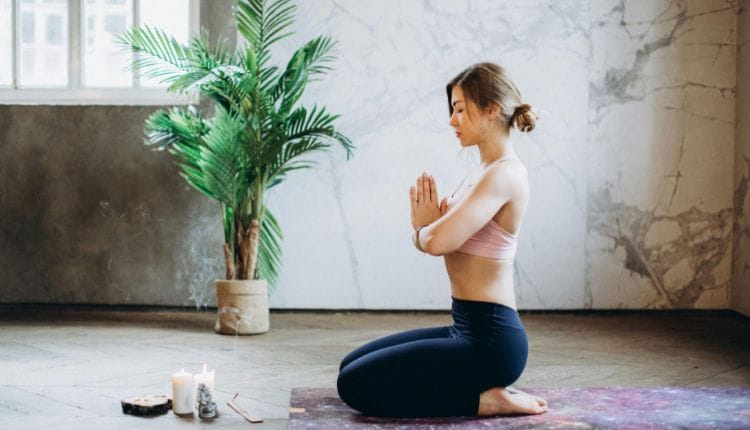
Mindful breaks help create balance without pressure. You don’t need to meditate or follow a set program. Even five minutes of stillness can help you feel calm and focused. Over time, these small pauses help maintain your overall sense of wellness without adding stress to your routine.
Making Wellness Part of Real Life
Sustainable wellness isn’t about creating a strict plan. It’s about blending supportive choices into your real life. That might mean drinking water while you work, preparing balanced meals on weekends, or taking a few minutes at night to unwind before bed.
These small choices build a rhythm that feels natural. Wellness becomes part of your day instead of something separate you have to make time for. You can enjoy your favourite foods, spend time with people you care about, and still feel supported by the choices you make.
It’s also about being flexible. Some days will look different than others, and that’s okay. You don’t have to follow a perfect plan to stay on track. What matters most is being aware of how your body feels and making adjustments that support your well-being.
Wellness doesn’t have to mean doing more. It’s not about following every new trend or turning your day into a long list of health goals. True wellness is about balance—finding steady, supportive choices that fit into your life without creating pressure.
Focusing on nutritious meals, regular movement, hydration, rest, and small moments of calm can help maintain your well-being. These are things that stay consistent even as life changes. Sustainable wellness isn’t about being perfect—it’s about being steady.
When you focus on what feels manageable, wellness becomes something you can maintain long-term. You don’t need to overthink it or chase extremes. Supporting your health can be simple, natural, and part of who you already are.