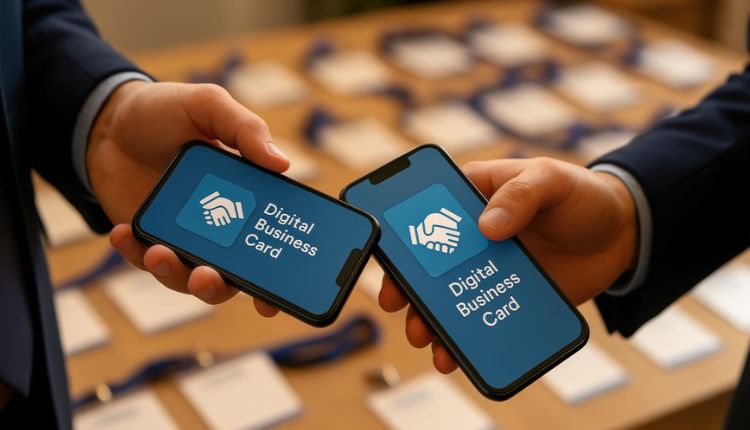

Digital business cards have been around for quite a while now, and they’ve become even more essential these days. These dynamic electronic cards allow efficient, hassle-free networking, which is ultra-convenient in an era where everyone wants things fast and easy. The challenge now is to have cards that not only reflect your professional identity and branding. They’ve also got to stand out in a sea of virtual business cards, some of which are competing for the same attention you’re trying to capture.
Success lies in the digital business card features you prioritize and incorporate. But what are those? The discussion below will reveal them to you.
1. Clickable Links
One of the ways to ensure active engagement with your digital business cards is through clickable links.
Working links to your social media accounts, website, and other online platforms can’t be stressed enough. These save people from copying then pasting URLs on the address bar just to get to know you and what you’ve got to offer. In just a click, they can be immediately redirected to your profiles.
It also pays to have clickable calls-to-action or CTAs, such as “Get a Quote” or “Visit My Website,” to help lead your new connections to the next crucial steps without requiring unnecessary effort on their end.
However, make sure you don’t use too many links. Just include the most important ones; otherwise, the card will look spammy, which might drive away prospects.
You’ve got to have one of the best digital business cards out there if you really want to stand out, so seeking help from a reputable platform that allows you to effectively add links and other interactive features to these electronic profiles would be a great idea. It’ll help you create digital business cards that convert leads.
2. Videos and Images
Take advantage of videos and images to showcase your work and branding. Multimedia content helps you convey your messages more effectively and engagingly, capturing people’s interest and creating lasting impressions.
For instance, a video introduction can give your contacts a sneak peek into your personality, giving a face to your business and, thus, making it more relatable. Through this, you can make it known that you’re someone who’s easy to work with, on top of being an expert at what they do.
Another example is an image carousel or a video gallery showing your best works or your bestselling products in such a dynamic way. These are perfect tools for photographers, architects, or entrepreneurs. Such types of content allow your connections to see your level of expertise.
Using just enough videos and images is key here. There has to be the right balance of multimedia content and your core contact information so the most important details won’t be overlooked.
3. QR Code
Modern digital business cards make the most of QR codes for that instant, touchless exchange of information and contact sharing. In just a single scan, the recipient can already get a hold of your contact details and other important pieces of information you want them to see, including portfolios. Plus, this makes your virtual card highly accessible since basically anyone with a smartphone can scan your QR code using their camera.
You can even customize these codes to suit different contexts. Apart from ones that usually redirect the recipient to social media links and contact details, you can design a code that shows, say, product demos or a booking or contact form, for a prospect who’s attending a sales conference. If you’re disseminating your code in job fairs, one that highlights a careers page or a team video would be a better fit.
Another perk is that you can integrate QR codes into modern workflows, and easily at that. In virtual meetings or video conferences, you can simply display your code in the background, and your e-business card is up for grabs for anyone who’s interested. These codes can also be added to email signatures so every message you send out becomes a networking opportunity.
4. Tracking and Analytics
You’ve got to have a way of knowing how your cards are performing. So, it’s worth using platforms that have tracking and analytics features as these provide insights into how many have viewed or interacted with your virtual profiles, as well as the quality of these engagements.
These features can tell you which locations and social media sites give your cards the most or least traffic, including the times of the day when people are actually viewing them. The number of saves and downloads should also be available to you, so you’d have an idea as to how many people are interested in your offerings. You should even be aware of the devices that engage with your virtual business cards.
These pieces of information allow you to adjust your strategies. You’d know which online platforms and events you should distribute your cards on and the best times to do so. You can also tweak your cards’ design, focusing on details that drive engagement. These real-time updates also let you act fast as any lost time is a lost opportunity, especially in this digital-centric world.
5. Smart Contact Management
Today’s business cards directly integrate with customer relationship management (CRM) systems and other productivity tools for more efficient and effective lead capture and follow-up efforts.
For example, lead capture forms can appear as soon as someone scans your QR code. All the details added to them will be automatically sent to your CRM system. These are constantly updated, so you don’t have to worry about having to deal with outdated info. Also, all your connections are organized in just one central location. No need to hop from one app to another in order to keep up with your records.
You can then ask the system to send a personalized welcome message to every new contact list, as well as automatically assign follow-up tasks to your sales team. These timely actions can lead to successful conversions.
Up-To-Date and Accurate Info
Although we’re talking about modern, revolutionary features, some things just never change. One of these is the fact that your digital business cards, still, must contain the most accurate and latest details about your business. This exemplifies your professionality and credibility, which are important for fostering trust.
Your contact information, including your phone number, email address, and social media profiles, has to be up to date. Same is true with your website URL and physical address. Your clients shouldn’t find it difficult to locate you online or offline. So, get rid of any outdated details and swap them with the latest ones. Fix typographical errors as well as these can lead to confusion and misunderstanding.
All this would especially benefit long-time contacts who may not have engaged with you in a while. They should be able to get in touch with you seamlessly anytime they want to get back to you.
Final Words
The secret to any effective digital business card is the right attributes. The features enumerated in this discussion are the ones you need to focus on to ensure successful networking efforts in these modern, highly automated times. Also, don’t forget to track performance metrics and refine your strategies to achieve the results you want.