
Foundation cracks are a common concern for homeowners, but not all cracks are equally serious. Some are minor and purely cosmetic, while others indicate structural problems that require immediate attention. Understanding what types of cracks are concerning and how basement foundation repair can help is crucial to maintaining the safety, stability, and value of your home.
For homeowners in Fredericksburg, professional fredericksburg foundation repair services can assess cracks accurately and recommend appropriate solutions. Contractors evaluate the size, location, and pattern of cracks, distinguishing between superficial issues and more severe structural problems. Early professional evaluation can prevent minor issues from escalating into costly repairs, saving both time and money.
Types of Concerning Foundation Cracks
Foundation cracks can appear in several forms, each indicating a different level of concern. Vertical cracks are often the result of natural settling and are considered normal in many homes. However, wider vertical cracks or those accompanied by wall shifting could indicate a more serious problem that requires professional basement foundation repair.
Horizontal cracks are more concerning and typically result from soil pressure or moisture-related issues. These cracks may cause walls to bow inward, compromise structural integrity, and allow water infiltration. Homeowners should treat horizontal cracks seriously, as they can worsen quickly if left untreated.
Stair-step cracks in brick or block foundations usually indicate uneven settling or shifting. While some stair-step cracks may be cosmetic, deeper ones can permit water entry, promote mold growth, and signal the need for immediate repair. Prompt intervention with professional repair ensures the long-term safety of the home.
Warning Signs Beyond Cracks
Besides visible cracks, other warning signs may indicate foundation problems. Doors and windows that stick, uneven floors, and gaps between walls and ceilings can all signal structural movement. Moisture or water accumulation in the basement, particularly near cracks, is another major indicator that professional basement foundation repair may be needed.
Homeowners should also monitor changes over time. Cracks that widen, shift, or appear suddenly after heavy rainfall or soil movement can indicate ongoing foundation issues. Consistent observation and early professional assessment are essential for preventing larger, more expensive problems.
Common Causes of Foundation Cracks
Foundation cracks usually result from a combination of soil, moisture, and structural factors. Soil expansion and contraction due to changing moisture levels are common causes, particularly in areas with clay-heavy soil. Improper drainage, including clogged gutters, poor grading, or water pooling around the foundation, can exacerbate the problem by increasing hydrostatic pressure against walls.
Other factors include tree roots, plumbing leaks, or construction deficiencies that compromise foundation stability. Identifying the underlying cause of cracks is essential for implementing effective basement foundation repair and preventing recurring issues.
Solutions and Repairs
Professional basement foundation repair offers a range of solutions depending on the severity and type of crack. Minor cracks may be sealed with epoxy or polyurethane injections, preventing water infiltration and stabilizing the foundation. Carbon fiber strips or mesh may also be used to reinforce walls showing minor movement.
Severe cracks or those associated with shifting walls or sinking foundations often require structural reinforcements such as piers, helical anchors, or underpinning systems. Piers are driven deep into stable soil layers to support the home, while helical anchors are screwed into the ground to resist horizontal or vertical movement. Underpinning strengthens or extends the foundation to distribute weight evenly, addressing settlement issues and restoring structural integrity.
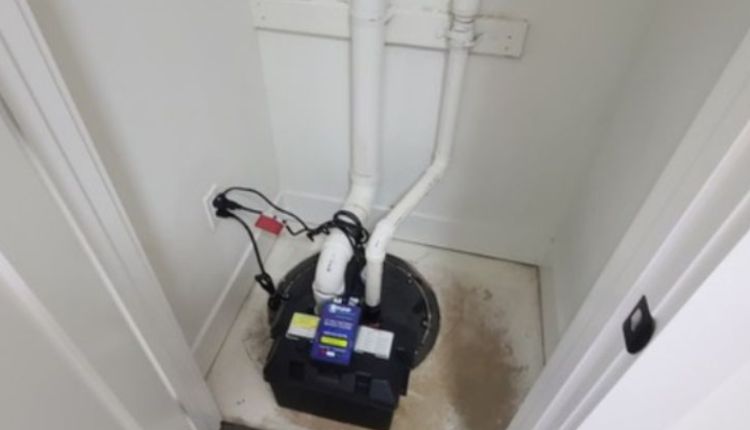
Waterproofing and drainage improvements are typically included with foundation repairs to prevent future problems. Proper grading, interior or exterior drainage systems, and sump pumps help manage water around the foundation, reducing hydrostatic pressure and minimizing the risk of recurring cracks. Moisture barriers and protective coatings may also be applied to enhance water resistance and protect the basement from mold and mildew.
By combining crack repairs, structural reinforcements, and drainage improvements, homeowners ensure their foundation remains stable, safe, and resistant to future damage.
Long-Term Benefits of Professional Foundation Repair
Investing in professional basement foundation repair provides homeowners with long-term security. Correcting cracks and stabilizing the foundation protects the home from further structural damage, preserves property value, and ensures safety for occupants. Early intervention reduces the risk of costly secondary damage, such as water infiltration, mold, or deterioration of flooring and walls.
Professional repairs also offer peace of mind. Homeowners can rest assured that their foundation is structurally sound and equipped to handle soil movement, heavy rainfall, and seasonal changes common in Fredericksburg. Timely repair and expert maintenance planning ensure that homes remain safe, functional, and visually appealing for years to come.
Conclusion
Concerning foundation cracks should never be ignored. Recognizing the types of cracks, understanding their causes, and addressing them promptly with professional basement foundation repair protects both the structure and value of your home. Homeowners in Fredericksburg benefit from expert evaluation, reliable repairs, and preventative measures that prevent recurring issues. For trusted services that keep your foundation secure and your basement dry, Fredericksburg Basement Waterproofing Experts delivers comprehensive inspection, repair, and maintenance solutions to safeguard your home long term.