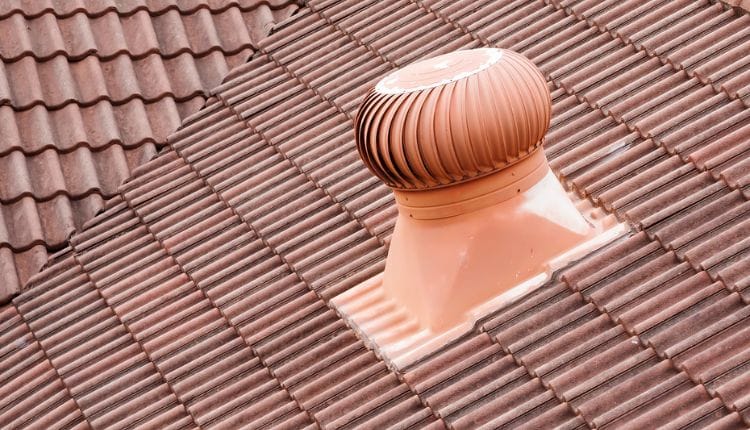

Roof ventilation is a critical yet often overlooked aspect of maintaining a durable and long-lasting roofing system. While many focus on materials and installation techniques, the movement of air through the attic space plays a major role in protecting structural components from damage. Proper ventilation allows heat and moisture to escape, preventing conditions that can lead to deterioration over time. Without adequate airflow, trapped heat and humidity begin to affect shingles, decking, and insulation, gradually weakening the entire system. Understanding how ventilation influences these factors helps property owners recognize its importance in preserving the integrity and longevity of a roof.
Why Ventilation Matters for Roofing
Heat Buildup and Shingle Deterioration
During warmer months, roofs are constantly exposed to direct sunlight, which can cause significant heat buildup in the attic. Without proper ventilation, this heat becomes trapped, raising temperatures far beyond what roofing materials are designed to handle. Excessive heat can cause shingles to age prematurely, leading to cracking, curling, and loss of protective granules.
As this process continues, the roof becomes more vulnerable to external elements such as rain and wind. The increased temperature also affects the structural components beneath the shingles, causing them to expand and contract more frequently. Over time, this repeated stress weakens the overall structure and shortens the roof’s lifespan. Proper ventilation helps regulate attic temperature, reducing the impact of heat and allowing materials to perform as intended over a longer period.
Moisture Accumulation and Structural Damage
Moisture is one of the most damaging elements for any roofing system, and poor ventilation allows it to accumulate within the attic. Everyday activities such as cooking, bathing, and even breathing generate moisture that can rise into the attic space. Without adequate airflow, this moisture becomes trapped, leading to condensation on surfaces such as wood decking and insulation.
Over time, this trapped moisture can cause wood to rot, insulation to lose effectiveness, and mold to develop. These issues not only weaken the structural integrity of the roof but also create potential health concerns for occupants. Many property owners seek guidance from a Hanover PA roofing company when they begin to notice signs of moisture-related damage, highlighting how ventilation plays a key role in preventing these problems. Proper airflow allows moisture to escape, maintaining a dry environment that protects both the roof and the interior of the building.
Ice Dams and Seasonal Damage
In colder climates, inadequate roof ventilation can contribute to the formation of ice dams. When heat becomes trapped in the attic, it warms the roof surface, causing snow to melt unevenly. As the melted snow flows toward the edges of the roof, it refreezes, forming ice buildup that blocks proper drainage.
This blockage forces water to back up under the shingles, increasing the risk of leaks and interior damage. Ice dams can also add significant weight to the roof, placing additional stress on structural components. Over time, repeated cycles of freezing and thawing can weaken the roof and reduce its lifespan. Proper ventilation helps maintain a consistent roof temperature, preventing uneven melting and reducing the likelihood of ice dam formation.
Insulation Performance and Energy Efficiency
Roof ventilation works closely with insulation to maintain a balanced indoor environment. When ventilation is inadequate, insulation can become less effective due to moisture buildup and temperature fluctuations. Damp insulation loses its ability to regulate temperature, leading to increased energy consumption as heating and cooling systems work harder to maintain comfort.
Proper ventilation helps keep insulation dry and functioning as intended, supporting consistent indoor temperatures and reducing strain on HVAC systems. This balance not only improves energy efficiency but also contributes to the longevity of both the roof and the building’s mechanical systems. By maintaining proper airflow, property owners can protect their investment and reduce long-term operating costs.
Airflow Balance and System Stability
Effective roof ventilation relies on a balanced system of intake and exhaust vents that allow air to flow continuously through the attic. When this balance is disrupted, airflow becomes restricted, leading to uneven temperature and moisture distribution. Poorly designed or blocked vents can prevent air from circulating properly, creating pockets of heat and humidity that accelerate damage.
Maintaining proper airflow ensures that the entire attic space remains consistent in temperature and moisture levels. This stability reduces the stress placed on roofing materials and structural components, helping to preserve their condition over time. A well-balanced ventilation system supports overall roof performance and minimizes the risk of localized damage.
Long-Term Impact on Roof Lifespan
The cumulative effects of poor ventilation can significantly shorten the lifespan of a roof. Heat, moisture, and structural stress all contribute to gradual deterioration that may not be immediately visible. Over time, these factors lead to increased maintenance needs, frequent repairs, and eventually the need for premature replacement.
Proper ventilation, on the other hand, helps maintain stable conditions that protect roofing materials from excessive wear. By reducing heat buildup, preventing moisture accumulation, and supporting balanced airflow, ventilation plays a key role in extending the life of the roof. This long-term protection makes it an essential consideration for both new installations and existing systems.
Quick Insight on Roof Ventilation
Roof ventilation supports the longevity of a roofing system by regulating temperature and controlling moisture within the attic space. When airflow is consistent, it prevents heat buildup that can damage shingles and reduces condensation that leads to structural decay. Balanced ventilation also helps avoid seasonal issues such as ice dams and supports insulation performance. These combined effects create a stable environment that minimizes stress on roofing materials. By maintaining proper airflow, property owners can protect their roofs from gradual deterioration and ensure that the system remains functional and durable over an extended period.
Maintaining Roof Health Through Ventilation
Ensuring proper roof ventilation requires regular inspection and maintenance of vents, insulation, and airflow pathways. Keeping vents clear of debris and ensuring that intake and exhaust systems are functioning correctly helps maintain consistent airflow. Addressing any signs of moisture or heat buildup early can prevent more serious issues from developing.
Over time, maintaining proper ventilation supports the overall health of the roof and reduces the likelihood of costly repairs. By prioritizing airflow as part of routine maintenance, property owners can extend the lifespan of their roofing systems and preserve the structural integrity of their buildings.