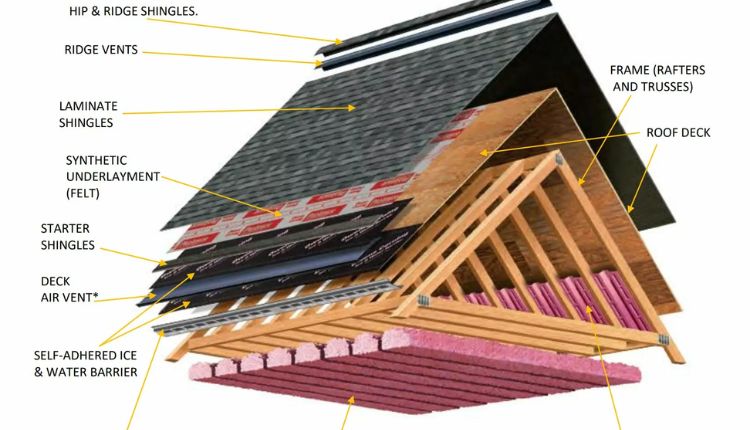

A roof system does more than keep rain out. It also manages heat, moisture, and air movement in ways that influence how long the roofing materials can continue performing as intended. When ventilation design is handled poorly, the roof may still look intact from the ground, nd while hidden stress builds in the attic and beneath the roof deck. That stress can affect shingle condition, decking stability, insulation performance, and moisture balance over time. Good roof ventilation design helps the system release excess heat and moisture before those conditions begin to shorten the materials’ lifespans. Long-term roofing performance depends not only on what covers the house, but on how air moves beneath that covering.
How the System Breathes
- Intake and Exhaust Must Work Together
Roof ventilation works most effectively when intake and exhaust are treated as connected parts of one airflow path rather than as isolated openings placed wherever space allows. Cooler outside air usually enters through lower intake points, often near the eaves, and warmer air exits through higher exhaust points near the ridge or upper roof area. When that path is balanced, air can move through the attic or roof cavity steadily, helping reduce heat buildup and moisture accumulation. If intake is too limited, exhaust openings may not pull air as intended. If the exhaust is poorly positioned, warm and damp air may remain trapped in areas that continue to stress the roof structure. Contractors discussing attic airflow with clients comparing roofing contractors in Duluth, MN, for homes often emphasize that ventilation performance depends on the full design relationship, not just on adding more vents. A roof can have multiple openings and still perform poorly if the airflow path is incomplete or unbalanced. Long-term durability improves when intake and exhaust are planned to ensure continuous air exchange beneath the roof system.
- Heat Buildup Changes Material Stress
One of the most important ways ventilation design affects roofing performance is through heat control. Without a reliable path for warm air to escape, attic temperatures can rise significantly during hot weather, placing additional stress on roof materials from below. Shingles, underlayment, fasteners, and roof decking are all influenced by repeated temperature extremes. Over time, this can contribute to faster aging, more thermal expansion and contraction, and a greater chance that materials will lose flexibility or stability sooner than expected. Heat trapped beneath the roof deck also affects insulation performance. It can increase the indoor cooling burden, which changes how the entire upper portion of the home behaves during the summer. Ventilation does not eliminate solar heat, but it helps reduce the intensity and duration of trapped heat conditions beneath the roofing surface. That matters because roofing materials tend to perform more consistently when they are not subjected to prolonged internal heat buildup that accelerates wear season after season.
- Moisture Control Protects Hidden Components
Roof ventilation design also plays a major role in moisture management, especially during colder periods when warm indoor air can migrate upward and meet cooler roof surfaces. If that moisture is not vented effectively, it can condense on the underside of the roof deck or within attic spaces, gradually affecting wood components, insulation, and fastener areas. These problems are often hidden at first. The shingles may still look acceptable while the decking below begins absorbing repeated moisture exposure. Over time, that can lead to warping, softening, staining, mold-related issues, and reduced structural consistency in the roof assembly. Moisture also reduces insulation effectiveness, which can further alter attic temperature conditions and create a cycle of ongoing stress. Ventilation helps by allowing humid air to leave the space before it reaches a level that encourages condensation. In this way, long-term roofing performance depends not only on shedding external water but also on controlling internal moisture conditions that originate from daily living below the roof.
- Poor Design Can Create Uneven Performance
A roof does not always fail uniformly, and ventilation design is one reason some areas age differently from others. If airflow is blocked, interrupted, or unevenly distributed, one section of the roof may remain hotter or more moisture-laden than another. Valleys, low-slope transitions, cathedral ceiling sections, and areas near blocked soffits can all experience different conditions from the rest of the system. This creates uneven stress that may manifest as isolated shingle wear, localized deck problems, ice-dam tendencies, or visible variations in roof aging. Sometimes homeowners assume the roofing material itself is inconsistent when the underlying problem is actually an issue with airflow distribution. Ventilation design has to account for roof shape, attic layout, insulation placement, and any framing conditions that interrupt air movement from one section to another. A design that works reasonably well on a simple roof may perform very differently on a more complex structure. Long-term results depend on whether the airflow strategy reaches the full roof system rather than only the easiest portions to vent.
Long-Term Roofing Depends on Airflow Design
Roof ventilation design influences long-term roofing performance by shaping the environment beneath the roof throughout the year. Balanced intake and exhaust help manage airflow, reduce trapped heat, and limit the moisture conditions that can weaken hidden structural components over time. When ventilation is poorly designed, the roof may face uneven aging, unnecessary material stress, and interior moisture problems that develop long before obvious exterior failure appears. A durable roof system depends not only on shingles or panels, but on whether the space beneath them can release heat and moisture in a controlled way. Airflow design is therefore one of the quieter but more important factors in how well a roof continues to perform over the years.