
Many HVAC complaints sound simple at first. A homeowner says one room never cools properly, a furnace seems louder than before, or the system runs longer without delivering steady comfort. The usual reaction is to blame the thermostat, the refrigerant level, or the equipment’s age. Those issues matter, but airflow resistance inside the system often goes unchecked for far too long. Static pressure testing gives contractors a clearer view of what the blower is pushing against and whether the duct system is helping or hindering performance. Without that reading, HVAC diagnostics can become guesswork dressed up as confidence.
Why Airflow Problems Get Missed
- Reading System Resistance Correctly
Static pressure testing measures the resistance to airflow inside an HVAC system. It tells a contractor how hard the blower has to work to move air through the equipment, ductwork, filter, coil, and other internal components. That matters because heating and cooling systems are designed to operate within a certain pressure range. When resistance rises too high, airflow drops, comfort suffers, and the system may begin to exhibit symptoms that appear to be separate mechanical failures. Weak air delivery, temperature imbalance, excessive noise, frozen coils, and overheating can all be traced back to pressure conditions that were never properly checked.
A contractor performing diagnostic work uses static pressure readings to move beyond surface-level observations. Instead of assuming a problem comes from age or general wear, the test shows whether the system is operating under strain created by blocked airflow or poor duct design. In many real-world service situations, including evaluations of Vancouver HVAC services by Sarkinen Heating and Cooling, static pressure testing helps explain why a system with functioning major components can still perform poorly in daily operation. The measurement links comfort complaints to airflow conditions in ways that visual inspection alone cannot. That is why the test has practical value during diagnostics. It turns a vague symptom into something measurable and easier to interpret.
- Where Pressure Readings Reveal The Truth
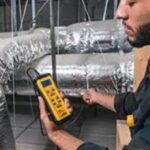
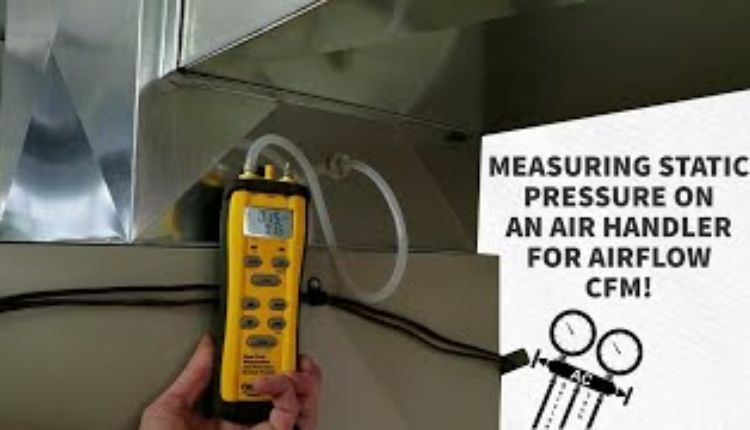
A static pressure test is useful because it treats the system as a moving-air machine rather than just a box with heating and cooling components inside. The contractor typically measures pressure on the supply and return sides of the equipment, then compares the readings against the manufacturer’s allowable limits. Those numbers show whether the blower is operating within a reasonable range or being forced to push and pull air through excessive resistance. When the total external static pressure is too high, the system effectively works against itself.
That information becomes even more valuable when the readings are broken down by section. A large pressure drop across the filter may point to a clogged or overly restrictive filter choice. A high drop across the evaporator coil may indicate dirt buildup or airflow restriction at the coil. Return-side pressure may expose undersized return ducts, blocked grilles, or closed interior doors, creating circulation issues. Supply-side pressure may point to duct constriction, balancing errors, or design flaws that limit delivery. Static pressure testing gives the contractor a map of where resistance is building, which is why it plays such a strong role in accurate diagnostics.
- Why Symptoms Often Mislead Homeowners
HVAC systems rarely announce airflow problems directly. Instead, they produce secondary symptoms that can send attention in the wrong direction. A cooling system with low airflow may develop an iced coil, which some people assume is strictly a refrigerant issue. A furnace with restricted airflow may cycle on limit, leading occupants to think the unit is failing internally. Registers may feel weak in distant rooms, prompting assumptions about failing motors or low system capacity. These observations are understandable, but they often describe the result of the problem rather than the cause.
Static pressure testing helps separate cause from effect. It allows a contractor to confirm whether the blower is moving air under acceptable conditions or whether pressure problems are driving the complaint. This distinction matters because many repairs look successful on paper while leaving the original airflow restriction unresolved. A part is replaced, the system restarts, and the underlying pressure issue remains. That leads to repeat service calls, avoidable wear, and frustration for the property owner. Good diagnostics should reduce uncertainty, and static pressure testing helps do that by grounding the conversation in measured system behavior rather than assumptions.
- Filters, Coils, And Ducts All Matter
One reason static pressure testing is so useful is that it reflects the combined effect of multiple system components. A filter might look only moderately dirty, but when paired with a restrictive coil and undersized return duct, it can push the system beyond an acceptable operating range. A duct system may appear intact from the outside yet still impose excessive resistance due to poor sizing, sharp transitions, crushed flex runs, or closed dampers. Static pressure helps expose these compound problems that individual component checks may miss.
This is especially important in homes and light commercial spaces where systems have been modified over time. Renovations, added rooms, upgraded filters, or replacement equipment can all change airflow conditions without anyone rechecking the system as a whole. Static pressure testing allows the contractor to determine whether the current setup still functions as an integrated system. That makes the diagnostic process more disciplined. Instead of chasing isolated symptoms one at a time, the contractor can identify whether the core issue is excessive resistance affecting everything downstream.
Good Testing Leads To Clearer Answers
Static pressure testing is not just a technical extra for complex service calls. It is one of the clearest ways to understand how an HVAC system is performing during diagnostics. By measuring airflow resistance throughout the system, contractors can determine whether poor comfort, weak delivery, excessive noise, icing, overheating, or inefficient operation stems from pressure conditions that force the equipment to work harder than it should.
For homeowners, property managers, and building owners, the lesson is straightforward. HVAC problems are not always caused by failing parts alone. Sometimes the deeper issue is that air cannot move through the system properly. Static pressure testing helps reveal hidden resistance, making diagnostics more accurate and repairs more useful. When contractors include it in the troubleshooting process, they are not adding complexity for its own sake. They are using a practical measurement to understand the real condition of the system and guide decisions that improve performance over time.