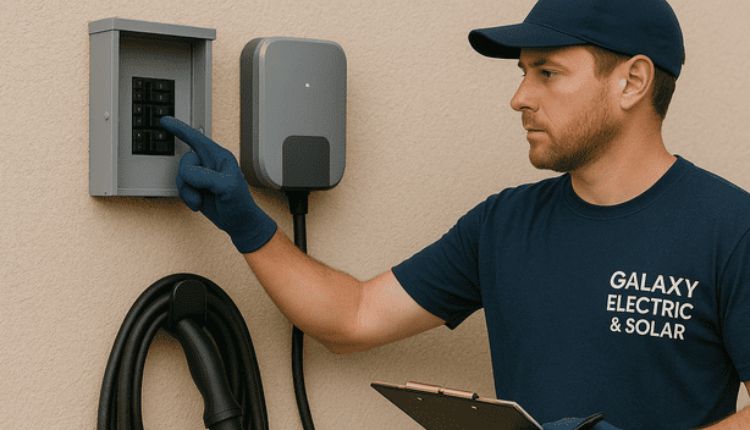

Electric vehicle adoption is growing rapidly, prompting more homeowners to consider installing home charging stations. As these chargers require significant electrical power, managing the load they impose on a home’s electrical system is critical. Without proper load management, a home could experience frequent circuit trips, power inefficiencies, or even damage to electrical appliances. We will explore how integrating load management strategies during home charger installations ensures safe and efficient energy use while minimizing risks to both the electrical system and the vehicle. Proper planning also allows homeowners to maximize energy efficiency and potentially reduce electricity costs.
Key Aspects of Load Management in Home Charging
- Balancing Electrical Demand
Load management involves monitoring and distributing the electricity used by the home charger to prevent it from overwhelming the existing electrical circuits. By assessing peak demand times and total household consumption, electricians can configure the charger to operate during periods of lower overall electricity usage. This not only prevents overloading circuits but also reduces the likelihood of tripped breakers. Effective load management considers all household devices, from HVAC systems to kitchen appliances, ensuring the charger functions harmoniously within the home’s energy ecosystem. It is particularly important in older homes where wiring may not be designed for high-capacity appliances.
- Dynamic Power Allocation
Modern load management systems can dynamically adjust the amount of electricity supplied to the home charger based on real-time consumption data. If other high-demand appliances are operating simultaneously, the system can temporarily reduce the charging speed to keep the total household load within safe limits. Local electricians in Vancouver often recommend this approach to prevent strain on the home’s electrical infrastructure and maintain consistent performance across all devices. Dynamic power allocation is especially useful for households with multiple electric vehicles, as it allows simultaneous charging without exceeding available electrical capacity. Homeowners can maintain convenience while protecting both the vehicle and the home system.
- Integration with Smart Home Systems
Load management becomes more effective when integrated with smart home technologies. Electric chargers connected to a smart home system can receive data on energy consumption patterns, peak-pricing periods, and renewable energy availability when solar panels are installed. This integration allows the charger to automatically schedule charging during off-peak hours or when solar power is abundant, optimizing both cost savings and energy efficiency. Smart scheduling also reduces the environmental impact by shifting energy use to periods when grid demand is lower, contributing to a more balanced and sustainable energy network. The combination of home automation and load management enhances convenience and financial benefits for the homeowner.
- Safety Considerations
One of the most important aspects of load management is safety. Overloading circuits can lead to overheating, fire hazards, and damage to sensitive electronics. Load management systems monitor voltage, current, and temperature to ensure that all electrical components operate within safe parameters. In case of an anomaly, such as a sudden surge or unexpected drop in voltage, the system can temporarily halt charging or alert the homeowner. By proactively addressing potential hazards, load management minimizes risks associated with high-power home chargers. This creates a safer environment for the household and reduces the likelihood of costly repairs or insurance claims due to electrical incidents.
- Cost Efficiency and Energy Savings
Proper load management not only safeguards the electrical system but also helps homeowners reduce energy costs. By charging during off-peak hours or adjusting charging rates based on total household consumption, homeowners can take advantage of lower electricity rates. Additionally, preventing overload conditions ensures that home appliances operate efficiently without unnecessary energy loss. For households with solar energy systems, load management can maximize the use of self-generated power, reducing dependence on the grid. The financial benefits, combined with enhanced safety and performance, make load management an essential consideration in any home charger installation.
- Scalability for Future Needs
As electric vehicle ownership increases, load management systems provide scalability for future expansion. Homes that initially install a single charger can later add additional units without major rewiring or overhauling the electrical panel. Advanced load management systems can prioritize charging across multiple vehicles, adjusting power allocation to prevent overload while maintaining efficient charging cycles. This forward-looking approach ensures that the electrical system remains capable of supporting new technology without compromising safety or functionality. Homeowners benefit from peace of mind knowing that their infrastructure can accommodate evolving energy demands over time.
- Compliance with Electrical Standards
Load management also ensures compliance with local and national electrical standards. Electricians installing home chargers must adhere to building codes and safety regulations, which often include limits on circuit capacity and protective measures for high-power appliances. By incorporating load management, the installation aligns with these standards, reducing the risk of code violations and potential penalties. Compliance guarantees that the home charger operates within legal and technical frameworks, contributing to a safe, reliable, and future-ready electrical system. Adhering to regulations also reassures homeowners that their investment in electric vehicle charging is sustainable and responsible.
- Enhanced Reliability and Performance
A properly managed electrical load improves the overall reliability of the home charging system. By preventing fluctuations, surges, and overloading, load management ensures that the charger operates consistently at optimal performance levels. This reduces wear and tear on both the vehicle’s battery and the home’s electrical infrastructure. Reliable charging also supports daily routines, as homeowners can depend on predictable charging times without interruptions. The enhanced stability provided by load management is a key factor in maximizing the lifespan of home chargers and maintaining efficiency across the entire electrical system. It allows homeowners to fully embrace electric vehicle ownership without compromise.
Load management is an essential component of home charger installations. By balancing electrical demand, dynamically allocating power, integrating with smart systems, and prioritizing safety, it ensures efficient, reliable, and cost-effective charging. Proper load management safeguards both household circuits and electric vehicles, reduces energy costs, and supports environmental sustainability. Homes equipped with these systems are prepared for future expansion and evolving energy needs. Overall, the careful implementation of load management strategies makes home charger installations a safe, practical, and forward-looking solution for residential electric vehicle owners.