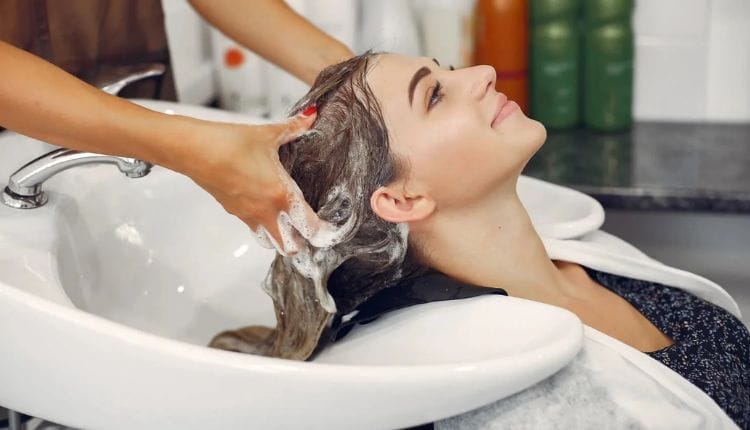
Hui Min had her hair lightened for a friend’s wedding, and for a week it looked wonderful. Then the ends turned dry and straw-like, and the brush began to catch. She stood in her bathroom one evening, wondering whether it was too late, and whether anything could bring back the softness she remembered.
Like many people in that moment, she began reading about a milbon hair treatment and other salon options. The pages were full of confident promises. This article takes a calmer view. It looks at why hair gets damaged, what a salon treatment can reasonably do, and which questions to ask before you book.
Why Hair Gets Damaged
Hair strands are not alive in the way skin is. Once a strand has grown out of the scalp, it cannot heal itself. What you see is a record of everything it has been through, including colouring, bleaching, heat styling, brushing and sun.
Lightening, in particular, changes the structure of the strand, which is why it can leave hair dry and fragile. Knowing this helps set expectations. You are not repairing a living thing so much as improving the condition of something that cannot regrow.
What a Salon Treatment Can Do
Salon treatments are designed to improve how hair feels and looks. Depending on the product, they may add moisture, smooth the surface, help hair resist tangling, or give it shine. Many are done in around an hour, and they usually require no recovery time.
These effects generally last for a period of time and then fade, particularly after repeated washing. That is why stylists often suggest a series of treatments, or a home care routine to go with them.
What They Cannot Do
Be wary of any promise that damaged hair will return to how it was before. Hair that has been badly damaged may still need trimming, and no treatment can fully undo the damage already done.
It is also worth knowing what treatments for strands do not address. If your problem is hair thinning, shedding or patches of hair loss, that is a matter involving the scalp, and it is best seen by a doctor, not treated with a conditioning product.
Questions for Your Stylist
A good stylist welcomes questions, and the answers tell you a lot.
- What exactly is my hair’s condition, and what do you recommend for it?
- What will this treatment do, and how long will the effect last?
- Is it suitable for coloured or lightened hair like mine?
- What will it cost, and how often would you suggest repeating it?
- What should I use at home between visits?
- What should I avoid doing afterwards?
Care at Home
What you do between salon visits counts for a lot. Use gentle shampoo, apply conditioner to the lengths and ends, and use heat protection when styling. Rinse with lukewarm water rather than very hot, and avoid brushing hair roughly when wet.
Reducing heat, and spacing out colouring, helps more than any single product. These small habits cost little and add up.
Choosing the Right Moment
Timing matters. If you are planning more colour, ask whether to do the treatment before or after, and how long to wait between them. If an event is coming up, book early enough to see how your hair responds.
Hui Min did not get her old hair back. She had the ends trimmed, booked a treatment, and changed a few habits at home. Her hair looked and felt better, and she learned what it could and could not do. That kind of understanding is worth more than any promise made in a bottle.